How a legal question reaches the International Court of Justice
A guide to the advisory process, from a UN request to the court’s opinion.
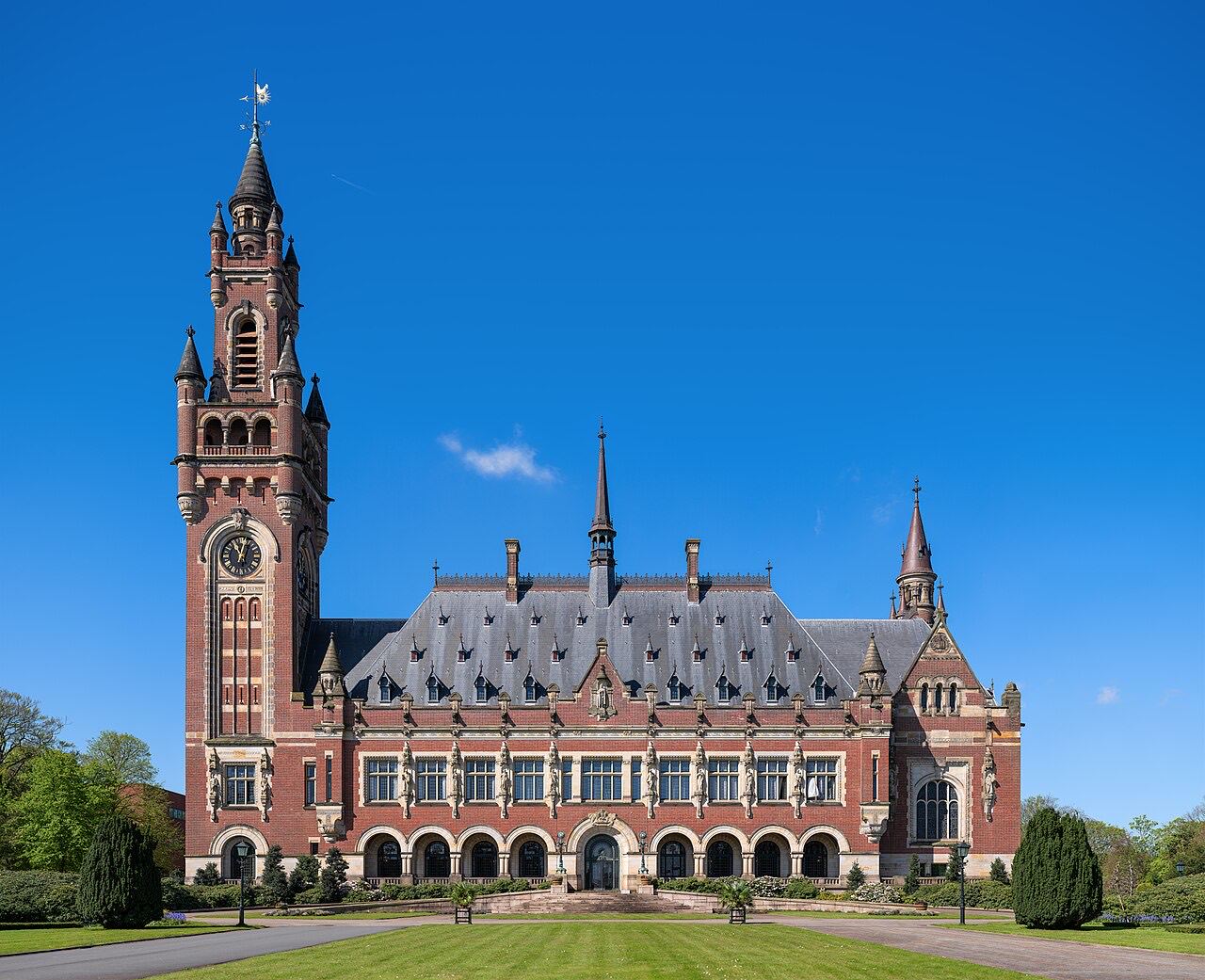

The International Court of Justice can give an advisory opinion when a body authorized under the United Nations Charter submits a legal question. The General Assembly and the Security Council have that authority. Other authorized bodies can ask about legal questions within their field of work.
Once a request reaches The Hague, the registrar gives notice to states entitled to appear before the court. The judges can invite written and oral information from states and organizations that may help answer the question.
An advisory opinion gives legal guidance to the requesting body. The court uses a separate procedure to decide disputes between states in contentious cases.